
 See Our Latest Article on HelloNation
Do Most Back Pain Cases Require Surgery?
Most back pain does not require surgery. In fact, the majority of local residents will find their symptoms improve within a few weeks through self-care, lifestyle changes, or conservative approaches. Only a very small percentage of cases, often involving severe structural problems or neurological symptoms, might need surgical intervention.
Many believe that back pain inevitably leads to surgery, but for the typical resident experiencing pain after shoveling snow, gardening, or long commutes, non-surgical methods like gentle movement, stretches, and proper rest are far more common and effective. Local healthcare providers focus first on identifying red flags—such as loss of mobility or unexplained weight loss—that warrant immediate attention, not surgery by default.
Does Resting in Bed Speed Up Recovery?
Too much bed rest can actually slow recovery from back pain. Research consistently shows that gentle movement and returning to normal activities, as tolerated, leads to better outcomes than lying in bed for days.
For residents living in Whitestown’s homes with steep driveways or those who tend to avoid activity during the winter, staying in one position too long often leads to stiffness and prolonged discomfort. Unless pain makes movement impossible, gradual, gentle activity is recommended over extended bed rest.
Is Back Pain Always Caused by a Major Injury?
Not all back pain comes from a dramatic fall or heavy lift. Everyday routines, such as shoveling after a heavy snow, carrying groceries up stairs, or helping a child move furniture, can strain muscles or irritate the back.
Most episodes are linked to minor, often repetitive strains or even poor posture during daily habits—especially relevant for those who work from home at makeshift desks or spend significant time driving between communities. Major trauma is less frequently the root cause compared to simple wear and tear.
Does Poor Posture Guarantee Chronic Back Problems?
Poor posture can certainly contribute to back pain, but it does not guarantee chronic conditions. Many people in the community may slouch at a computer, carry heavy backpacks, or favor one side during tasks without developing lifelong pain.
While sitting or standing poorly can strain muscles and joints over time, most individuals can improve discomfort with adjustments and strengthening exercises. Local residents can benefit from regular movement breaks and mindful positioning, especially during long winters when time indoors increases.
Are All Back Problems Seen on X-Rays or MRIs?
Not all causes of back pain are visible on imaging tests. Many local residents may be surprised that a normal X-ray or MRI does not rule out real pain. Soft tissue strains, minor inflammation, and certain functional problems do not always appear in these studies.
Tests are more useful in cases involving trauma or specific clinical concerns (like nerve symptoms), rather than in routine back pain without warning signs. Normal imaging is actually common among people with back pain, especially older adults.
Can Back Pain Only Be Helped by Medication?
Medications can help manage severe pain and inflammation, but they are not the only approach—and not always the best. Studies favor active strategies such as movement therapy, physical rehabilitation, heat, or gentle stretching.
For Whitestown residents juggling family, work, and home maintenance, reliance on painkillers or muscle relaxers alone rarely leads to lasting improvement. Using over-the-counter medicines should not replace looking for habits or activities that may aggravate the back.
Is Pain Always a Sign of Permanent Damage?
Back pain can feel alarming, but it does not always mean something is permanently wrong. Acute symptoms commonly follow extra exertion during yardwork in the fall, lifting during a move, or slips on icy surfaces, but these often resolve within days or weeks.
Temporary pain may stem from sprains, muscle tension, or minor joint irritation—conditions that heal over time with self-care and healthy habits. Persistent symptoms or additional problems (like leg numbness or loss of bowel/bladder control) deserve prompt attention, but most episodes are not indicators of lasting harm.
Are Alternative Approaches Like Chiropractic or Yoga Unsafe?
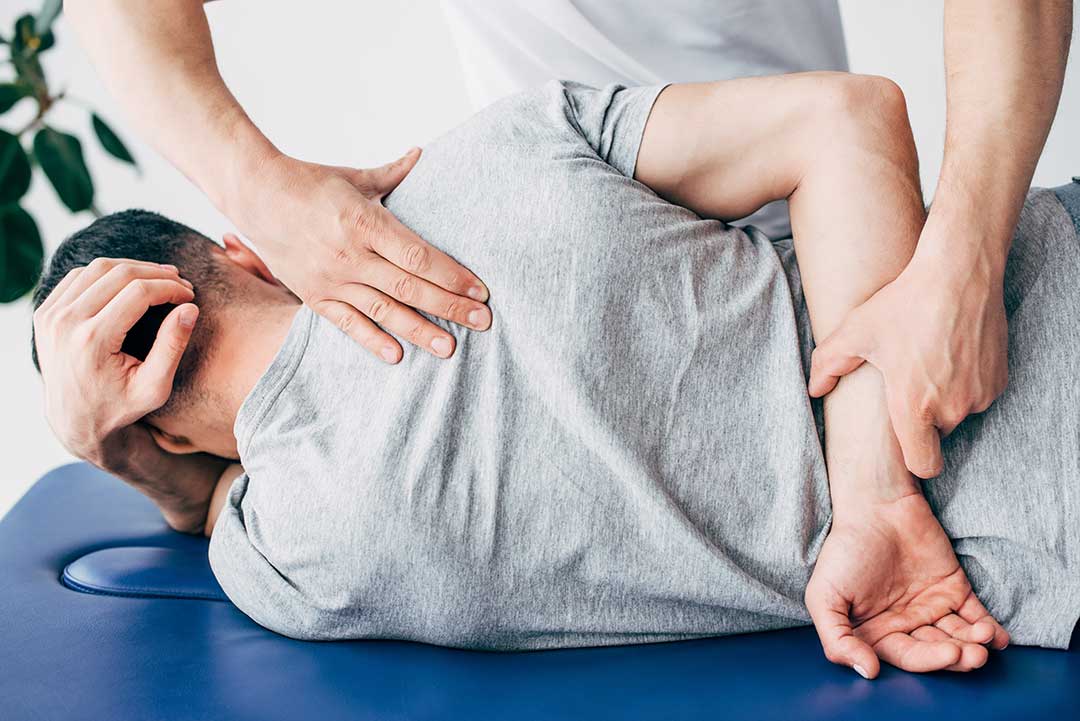
Many alternative approaches, like chiropractic adjustments, yoga, and targeted stretches, are generally safe for most people when practiced appropriately. Research supports these methods for managing many non-emergency back pain cases.
Residents in the area often combine traditional care with exercise routines at home, yoga classes, or spinal health programs for preventive care. The key is knowing personal limits and avoiding unsupervised techniques in cases of severe pain, injury history, or underlying conditions.
How Do Weather and Local Activities Affect Back Pain?
The climate and lifestyle in Whitestown can influence back pain. Cold winters sometimes lead to muscle stiffness, as people become less active or tense up in chilly weather. Seasonal activities—like snow shoveling, fall leaf clean-up, and spring gardening—may trigger flare-ups when performed with poor technique or insufficient warm-up.
Residents can reduce risk by staying active year-round, using ergonomic tools, and taking breaks during strenuous household chores. Layering up in the winter and stretching before outdoor tasks can help minimize discomfort.
What Preventive Steps Reduce Back Pain Among Local Households?
Prevention starts with small, consistent actions:
- Staying physically active all year
- Practicing safe lifting at home and work
- Setting up home offices or study spaces with ergonomic support
- Taking breaks during long drives or extended sitting
Awareness of common myths allows residents to focus energy on tried-and-true strategies, rather than worrying about worst-case scenarios or unnecessary treatments. By understanding what truly helps and what does not, the community can confidently manage minor back pain and avoid the trap of misinformation.
