
 See Our Latest Article on HelloNation
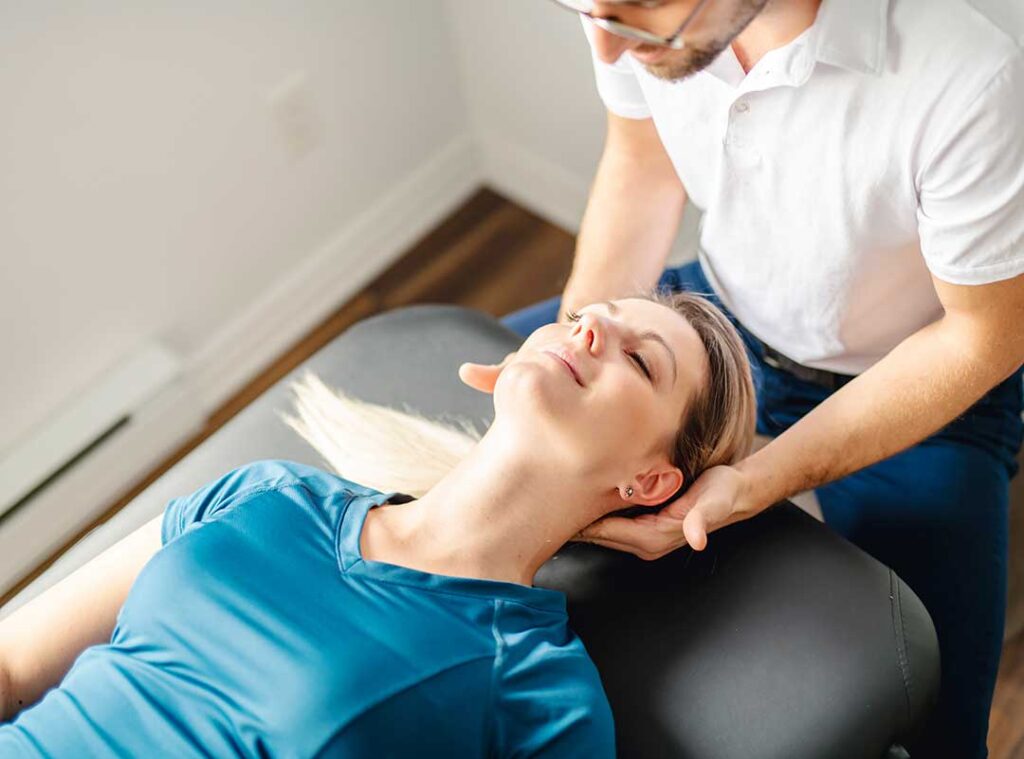
What Is a Pinched Nerve and Why Does It Happen?
A pinched nerve occurs when too much pressure is applied to a nerve by surrounding tissues—such as bones, cartilage, muscles, or tendons—leading to pain, tingling, numbness, or weakness. For residents of Whitestown, nerve compression often relates to routine activities, posture habits, or repetitive motions common in daily work and home life. Understanding the causes can help community members reduce risk and stay active.
Can Everyday Habits Lead to Pinched Nerves?
Yes—many local residents experience nerve discomfort due to habits that strain the body. Activities like prolonged computer use, heavy lifting, or working in awkward postures can contribute to this problem, especially during colder months when stiffness and tension are more common. Even frequent texting or using hand tools can irritate nerves if proper form isn’t maintained.
Some overlooked habits that may increase nerve pressure:
- Sitting for long periods without adjusting posture
- Slouching while watching TV or using electronic devices
- Carrying heavy bags on one shoulder
- Sleeping in positions that cramp the neck or lower back
How Can Good Posture Protect Against Pinched Nerves?
Proper posture keeps the spine aligned and relieves pressure from nerves. Residents who spend much of the day at workstations or driving are especially prone to lapses in form. Taking time to check and reset posture reduces strain.
Practical tips for posture:
- Keep shoulders relaxed and in line with hips
- Use chairs that support the lower back
- Stand up and stretch every 30-60 minutes
- Position screens at eye level to avoid bending the neck
Do Local Weather and Lifestyle Affect Nerve Health?
Seasonal changes in Whitestown bring unique factors that can increase nerve issues. Cold weather often tenses muscles and joints, making pinching more likely. Snow shoveling and ice removal activities add strain, especially if lifting or handling tools improperly.
To minimize risk during colder seasons:
- Warm up with gentle movements before strenuous tasks
- Dress in layers to maintain muscle warmth and flexibility
- Take breaks during repetitive outdoor chores
What Kinds of Movement Help Prevent Nerve Compression?
Staying active keeps muscles flexible and reduces the risk of nerves getting trapped. Gentle exercises, stretching routines, and activities like walking or swimming support healthy nerve function and joint mobility. These can be tailored to individual needs and conditions commonly seen among local residents.
Consider including:
- Daily neck and shoulder stretches (especially for those spending time at desks)
- Gentle yoga or tai chi classes for balance and flexibility
- Short walks throughout the day to offset periods of sitting
Can Home Setups Make a Difference?
Yes—arranging home and workspaces to fit the body’s needs can reduce strain that leads to pinched nerves. For households in Whitestown, this might involve checking that chairs, work surfaces, and sleeping arrangements don’t force awkward positions.
Simple adjustments include:
- Choosing mattresses and pillows that keep the spine neutral
- Placing frequently used items within easy reach to avoid overreaching
- Ensuring proper shoe support for long periods standing or walking
Are There Warning Signs to Watch For?
Early symptoms of nerve compression often start subtly and worsen with continued pressure. Recognizing these signs early allows for restful adjustments before lasting problems develop.
Common early warnings:
- Tingling or numbness in hands, arms, feet, or neck
- Mild but recurring aches after specific activities
- Unusual weakness or loss of grip strength
If these occur and don’t improve with rest or posture changes, pausing and reevaluating physical habits is a wise step.
What Are Common Misconceptions About Pinched Nerves?
Some residents assume nerve pain always means a serious condition or that it can only happen after accidents. In reality, many incidents start with simple, repeatable motions or poor posture over time. Pinched nerves can often be prevented or minimized by small, consistent changes in daily routines. Another misconception is that total bed rest is needed; while rest can help, gentle movement is usually better for recovery and ongoing prevention.
When Might Self-Care Not Be Enough?
Most cases respond well to self-care and mindful activity, but certain symptoms require immediate attention, such as sudden loss of bladder control, severe weakness, or pain that radiates down both legs or arms. These can signal more urgent medical conditions, and it’s advisable for affected individuals to seek prompt professional evaluation in such cases.
