
 See Our Latest Article on HelloNation
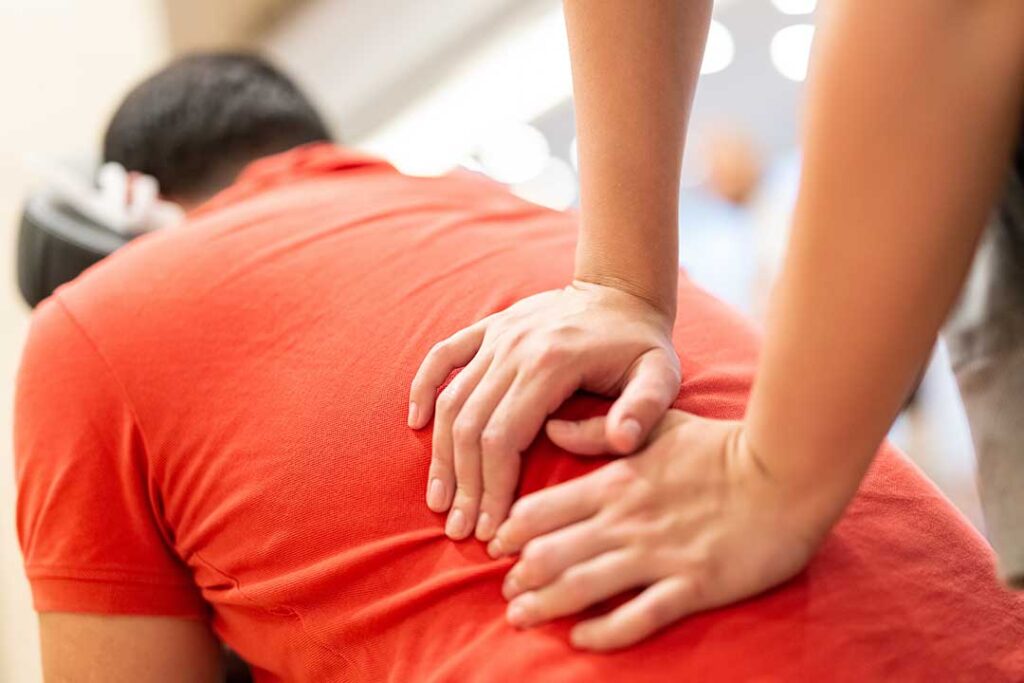
Is Soreness After a Chiropractic Adjustment Common?
A mild sense of soreness or achiness is fairly common after a chiropractic adjustment. Many Whitestown, NY residents who experience this wonder whether it is a normal part of the process. For most healthy adults, brief soreness in the muscles or joints is considered a normal response as the body adapts to changes in alignment and movement.
The feeling is often compared to what someone might notice after starting a new exercise routine or stretching regimen. It typically lasts a few hours to a couple of days and rarely requires special care beyond simple self-management.
Why Does Soreness Happen?
Soreness after an adjustment usually results from changes to muscle tension, joint position, and neural signaling. Here’s a straightforward explanation:
- Chiropractic adjustments often release built-up tension and restore normal joint movement.
- Local muscles, ligaments, or nearby tissue may respond with mild inflammation as they adapt to the new position.
- If the adjustment increased movement in a joint that was very stiff, nearby muscles could feel fatigued as they stabilize the area.
- Sometimes, old “holding patterns” or posture habits shift, causing temporary discomfort as your body learns the new alignment.
Residents of this area often notice increased soreness during colder months, when muscles and soft tissues tend to be tighter due to lower temperatures and less outdoor activity.
How Long Does the Soreness Last?
For most people, post-adjustment soreness is short-lived. It typically fades within 24 to 48 hours. Some factors can influence the duration, including:
- Age and general fitness level
- Severity and duration of prior stiffness or injury
- Whether this was your first adjustment or part of ongoing care
- Seasonal changes in activity level (such as after wintertime inactivity in the city)
If soreness lasts longer than expected or is severe, it may be due to an underlying health condition, an unusually forceful adjustment, or unrelated muscle strain.
What Can You Do to Ease the Discomfort?
Mild soreness will usually resolve with basic at-home measures. Helpful steps for local residents include:
- Applying a cold pack to the sore area for 10–15 minutes at a time
- Staying gently active, such as walking or light stretching, unless directed otherwise
- Drinking plenty of water, especially if it’s hot and humid or after yard work common in local homes
- Avoiding strenuous workouts or heavy lifting for a day or so
- Using over-the-counter pain relief if appropriate and tolerated
Heating pads or warm showers may also soothe tight muscles—especially in colder seasons, which can bring extra tension to back and neck muscles among area households.
When Should You Be Concerned About Soreness?
In nearly all cases, mild to moderate soreness is harmless and clears up quickly. However, there are specific situations when soreness may indicate something more serious:
- Severe, worsening, or sharp pain instead of mild discomfort
- Numbness, tingling, or weakness in the arms or legs
- Pain that lasts more than a week without improvement
- Signs of infection (redness, swelling, warmth at the site)
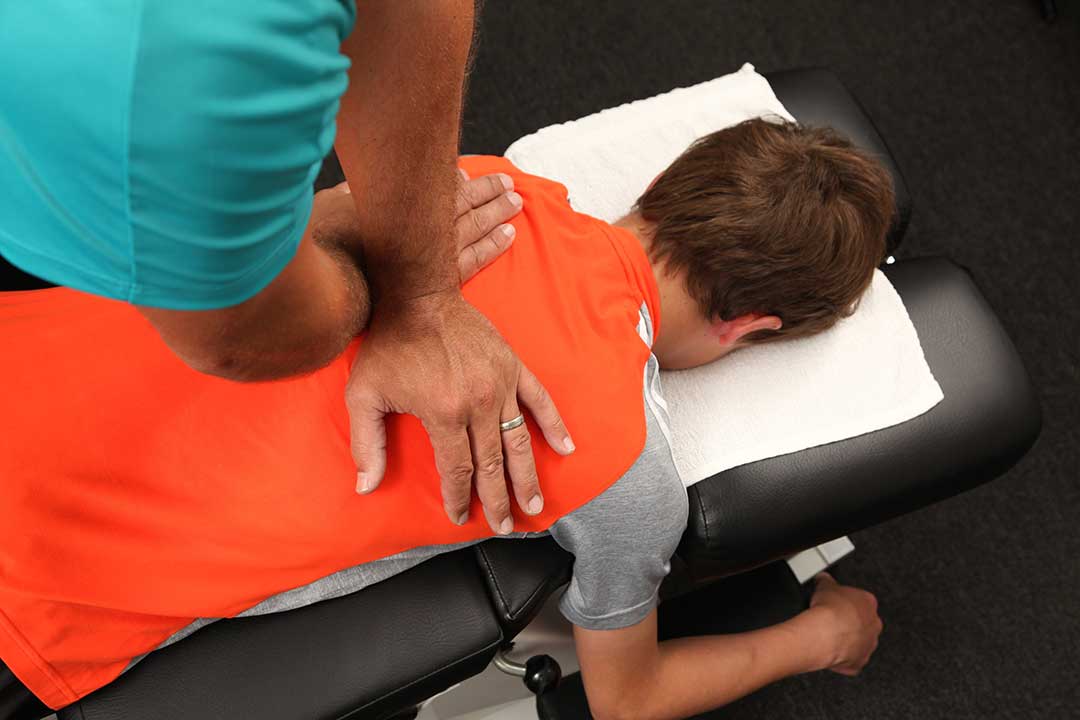
If any of these occur, especially for individuals with ongoing health conditions or known spinal problems, it’s wise to seek a medical evaluation to rule out underlying issues. These cases are uncommon for the typical, healthy community member receiving maintenance care.
Is Soreness a Sign the Adjustment Wasn’t Done Correctly?
A mild, temporary ache after an adjustment does not mean something went wrong. It usually means the body is adapting. Some area residents worry if they feel new sensations following a visit, but minor soreness is not a sign of poor technique or unsafe practice.
Different people react in different ways. Some will have no soreness at all, others might feel only a mild ache, and a few may notice heightened tenderness. The way a person’s body responds depends on many individual factors, including overall activity level, how long issues have been present, age, and personal pain sensitivity.
How Can You Reduce the Chance of Getting Sore?
While some temporary discomfort may be unavoidable, there are practical steps local residents can take to reduce the likelihood or intensity of soreness:
- Keeping up a regular stretching and exercise routine, tailored for colder or more sedentary months in the city
- Warming up muscles before and after yardwork or spring-cleaning projects
- Staying adequately hydrated, especially in the drier winter months
- Letting your healthcare provider know about any recent injuries, medical conditions, or medications, as these can affect tissue response
Proactive communication and realistic expectations go a long way toward feeling confident about your experience.
Common Misconceptions About Post-Adjustment Soreness
Many people mistakenly believe that any soreness means harm was done. In reality:
- Most post-adjustment aches are a sign of the body’s normal adaptation process
- Soreness does not equal injury or “pushing a joint out of place”
- It’s common to have different reactions from visit to visit based on weather, physical activity, and stress levels common in the community
Understanding these patterns can help area households feel more at ease and less anxious about mild after-effects.
What Else Should Whitestown Residents Know?
Given the city’s mix of active residents, older adults, and families engaged in a variety of seasonal activities, experiences with soreness can vary. While most adults feel only brief discomfort, some may not notice any. Younger community members actively involved in sports might even find adjustments aid recovery over time.
Awareness of how seasonal climate, housing types (such as multi-story homes or rural properties), and activity patterns influence muscle health can help residents have realistic expectations and respond appropriately.
Soreness, if it occurs, is usually a temporary part of the realignment process and rarely interferes with daily activities for long.
