
 See Our Latest Article on HelloNation
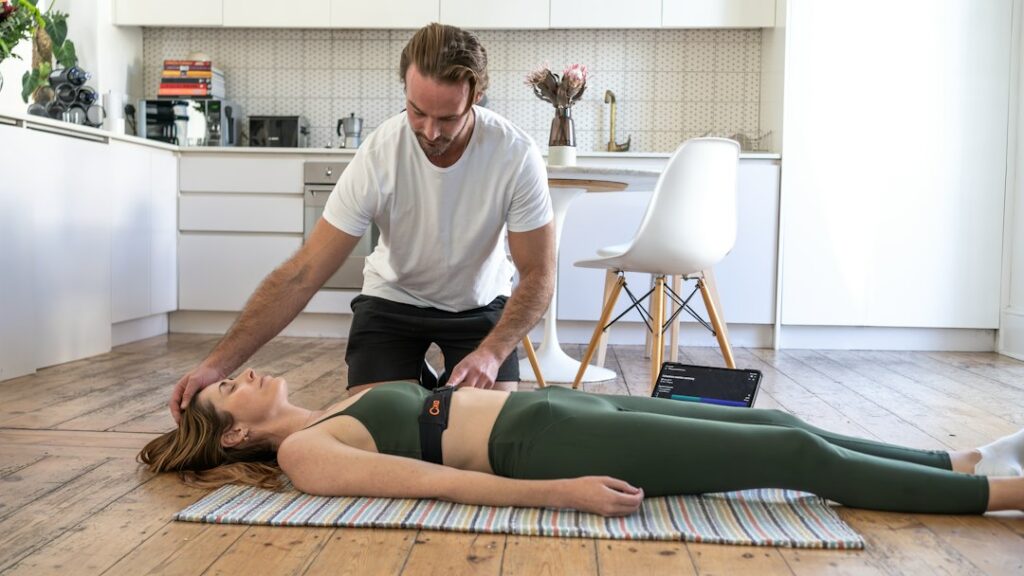
Chronic pain can affect movement, sleep, work, mood, and ordinary household tasks. Self-care does not mean ignoring symptoms or managing everything alone. It means using consistent, low-risk habits to support comfort and function while staying alert to signs that require medical attention.
What counts as chronic pain?
Chronic pain generally lasts for three months or longer, either continuously or in recurring episodes. It may involve the back, neck, joints, muscles, nerves, or several areas at once. Pain can also continue after an injury has healed.
The goal of self-care is not always to eliminate pain completely. A more realistic goal may be to reduce flare-ups, improve mobility, sleep more consistently, and make daily activities easier.
Pain levels can vary from day to day. A difficult day does not necessarily mean that the condition is worsening, just as a lower-pain day does not always mean the underlying problem has resolved.
How can gentle movement help?
Regular, manageable movement can reduce stiffness and help maintain strength. Long periods of complete rest often make muscles and joints less tolerant of ordinary activity.
Start below the level that noticeably increases symptoms. This might include:
- A short walk on level ground
- Gentle range-of-motion exercises
- Light stretching without bouncing
- Water-based movement
- Carefully controlled strengthening
- Brief movement breaks during desk work or television viewing
Use the “slow increase” principle. Add a small amount of time, distance, or resistance only after the current level feels manageable for several sessions. Mild muscle fatigue can be expected, but sharp, spreading, or electrical pain is a reason to stop and reassess.
During icy or snowy conditions, indoor walking and simple mobility exercises may be safer than outdoor activity. Clear pathways, adequate lighting, supportive footwear, and handrails can reduce the risk of a fall, which may trigger a new pain flare.
Should painful areas be treated with heat or cold?
Heat and cold may provide short-term relief, but they are not interchangeable.
Heat can be useful for muscle tightness and stiffness, particularly before gentle movement. A warm shower or heating pad set to a comfortable level may help the body relax.
Cold may reduce discomfort after an activity-related flare, especially when there is a sense of irritation or swelling. Use a cold pack wrapped in cloth for short periods rather than placing ice directly on the skin.
Avoid falling asleep with a heating pad or cold pack in place. People with reduced sensation, circulation problems, or certain medical conditions should ask a healthcare professional which approach is safest.
How do sleep and stress affect pain?
Poor sleep can make pain feel more intense, while pain can make it harder to sleep. Stress may also increase muscle tension, fatigue, and sensitivity to discomfort. Addressing these factors is part of pain management, not a distraction from the physical problem.
Helpful sleep habits include:
- Keeping a regular wake-up time
- Limiting bright screens close to bedtime
- Using pillows to support comfortable side- or back-sleeping positions
- Keeping the bedroom cool, dark, and quiet
- Avoiding large meals, nicotine, or excess caffeine late in the day
- Following a calming routine such as breathing exercises or quiet reading
Stress-management techniques do not need to be complicated. Slow breathing, progressive muscle relaxation, meditation, journaling, and brief time outdoors may help lower physical tension. Choose one method that feels practical and repeat it regularly rather than trying several habits at once.
How can daily activities be adjusted?
Many chronic pain flares result from doing too much at once after a period of reduced activity. Pacing helps distribute effort more evenly.
For example, instead of cleaning an entire home in one session, divide the work into shorter periods with planned breaks. Alternate heavier tasks with lighter ones. Keep commonly used items within easy reach, and avoid repeatedly bending, twisting, or reaching overhead when a task can be rearranged.
During colder months, snow shoveling can place substantial strain on the back, shoulders, and heart. If the task cannot be avoided, smaller loads and frequent breaks are safer than rushing through deep or wet snow. Stop for chest pressure, unusual shortness of breath, dizziness, sudden weakness, or severe pain.
A simple activity record can reveal patterns. Write down the activity, approximate duration, pain level before and afterward, sleep quality, and any unusual stress. This may show that symptoms are linked to prolonged sitting, poor sleep, certain lifting tasks, or sudden increases in exercise.
Are over-the-counter pain medicines always safe?

Nonprescription medicines can help some people, but they are not risk-free. Products containing acetaminophen may affect the liver if taken in excessive amounts or combined with other medicines that contain the same ingredient. Anti-inflammatory medicines can affect the stomach, kidneys, blood pressure, and cardiovascular system.
Read labels carefully and follow the package directions. Ask a pharmacist or healthcare professional before using these medicines regularly, especially if you take blood thinners or medicines for blood pressure, have kidney or liver disease, have a history of ulcers, are pregnant, or drink alcohol frequently.
Avoid changing prescription medicines, stopping them suddenly, or combining sedating substances without medical guidance. Pain relief should be evaluated alongside alertness, balance, digestion, sleep, and overall function.
When should chronic pain be evaluated urgently?
New or rapidly worsening pain deserves attention, particularly when it follows a fall, collision, or other injury. Urgent evaluation is also appropriate for pain accompanied by:
- New weakness or numbness
- Loss of bladder or bowel control
- Numbness around the groin or inner thighs
- Fever, unexplained weight loss, or a history of cancer
- Severe abdominal or chest pain
- Fainting, confusion, or difficulty breathing
- A painful, swollen, red joint with fever
Even without emergency symptoms, recurring pain that limits walking, sleep, work, or self-care should be assessed. Persistent symptoms may involve muscles, joints, nerves, inflammation, medication effects, sleep disorders, or several factors at the same time. A coordinated plan may include movement guidance, physical rehabilitation, behavioral strategies, medication review, or treatment for an underlying condition.
What is a realistic self-care plan?
A useful plan is specific and sustainable. For example:
- Walk indoors for five minutes after breakfast on three days this week.
- Perform gentle mobility exercises before getting dressed.
- Take a two-minute movement break every half hour during seated tasks.
- Record sleep and activity for seven days.
- Use heat before movement if stiffness is the main problem.
- Reduce the task load before symptoms become severe rather than waiting for a major flare.
Progress is better measured by function than by pain alone. Being able to stand longer, sleep more consistently, prepare a meal, or walk safely may represent meaningful improvement even when some discomfort remains.
Self-care works best as a steady routine that respects personal limits, seasonal safety, and the warning signs of a more serious problem.
