
 See Our Latest Article on HelloNation
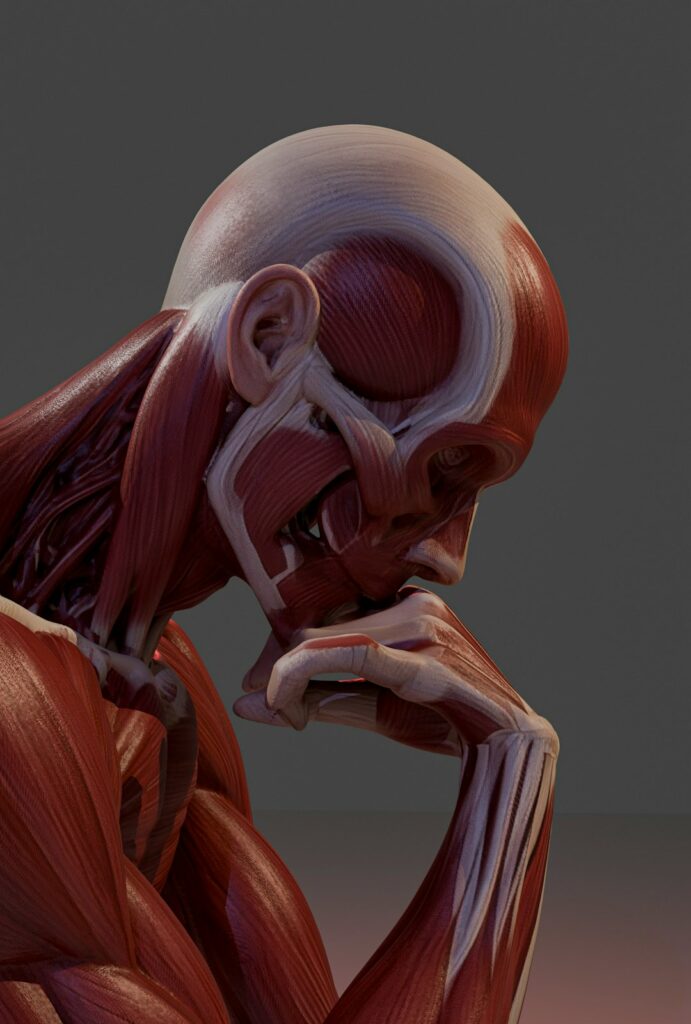
Jaw pain is often discussed as a dental or jaw-joint problem, but the neck and upper spine can also influence how the jaw moves and how pain is experienced. For residents of Whitestown, NY, understanding this connection can help distinguish between temporary muscle tension, a temporomandibular disorder, and symptoms that need medical or dental evaluation.
How are the jaw and spine connected?
The jaw and upper spine are linked through shared muscles, nerves, joints, and movement patterns. The temporomandibular joints, commonly called TMJs, sit just in front of the ears and allow the mouth to open, close, speak, and chew. Their movement is coordinated with muscles in the face, neck, shoulders, and upper back.
When the head is held forward for long periods, the muscles at the front and back of the neck may work differently. This can increase tension around the jaw, particularly if a person also clenches the teeth or holds the jaw rigid. The relationship works in both directions: jaw pain may cause protective neck tension, while neck discomfort may change the way the jaw moves.
This does not mean that every jaw problem is caused by spinal misalignment. The relationship between posture and temporomandibular disorders is complex, and research does not support a single “perfect” posture or one universal spinal cause.
Can neck problems cause jaw pain?
Neck problems can contribute to pain felt in the jaw, face, temples, or around the ear, although jaw pain may also come from other sources. Muscles in the upper neck and jaw can refer pain to nearby areas, making it difficult to identify the original source based on location alone.
Common patterns include:
- Jaw soreness accompanied by upper-neck stiffness
- Headaches near the temples or back of the head
- Increased discomfort after long periods of computer or phone use
- Jaw fatigue after chewing, talking, or concentrating
- Shoulder tension occurring at the same time as facial or jaw pain
A neck condition may also alter movement coordination. For example, someone with neck pain may unconsciously rotate the head differently while chewing or avoid opening the mouth fully. Over time, these compensations can add strain to the chewing muscles.
Can jaw problems affect the neck and spine?
Yes. Painful jaw movement can lead to guarded posture and increased activity in the muscles of the neck and shoulders. People may hold the head still, tighten the jaw, or shift the lower jaw to avoid discomfort. These changes can temporarily affect neck mobility and muscle endurance.
Some people with temporomandibular disorders have reduced endurance in certain neck muscles or difficulty coordinating head and jaw movement. That finding does not prove that the jaw disorder has damaged the spine. It indicates that the jaw and cervical region can influence each other through shared movement and sensory systems.
Pain can also create a cycle:
1. Jaw or neck discomfort changes movement.
2. Altered movement increases muscle tension.
3. Muscle tension makes chewing, speaking, or turning the head less comfortable.
4. Repeated discomfort encourages more guarding or clenching.
Breaking that cycle usually involves identifying several contributing factors rather than focusing on spinal alignment alone.
What symptoms suggest a temporomandibular disorder?
Temporomandibular disorders, or TMDs, include problems involving the jaw joints, chewing muscles, or both. Symptoms may include:
- Pain in the jaw joint or chewing muscles
- Pain that spreads into the face, ear, temple, or neck
- Stiffness or limited jaw movement
- Pain while chewing or yawning
- A jaw that locks open or closed
- Painful clicking, popping, or grinding
- A change in how the upper and lower teeth fit together
- Headaches associated with jaw activity
A painless click or pop does not automatically indicate a disorder. Joint sounds are common, particularly when there is no pain, locking, or loss of movement.
Tooth problems, ear conditions, sinus symptoms, nerve irritation, headaches, and other medical issues can resemble jaw pain. That is why persistent or unexplained symptoms should not automatically be attributed to the spine.
What daily habits can increase jaw and neck strain?
Several ordinary habits may contribute to symptoms. During colder months, people may spend more time indoors using phones, laptops, gaming systems, or reading in fixed positions. Winter driving, prolonged sitting, and working from a kitchen table or couch can also encourage forward-head positioning.
Other possible contributors include:
- Clenching during concentration, exercise, or stress
- Grinding the teeth during sleep
- Chewing gum frequently
- Biting fingernails, pens, or other objects
- Sleeping with the neck twisted or unsupported
- Repeatedly opening the mouth very wide
- Carrying a bag or child primarily on one side
- Holding a phone between the shoulder and ear

These habits do not prove that a person has TMD. They are simply modifiable factors that may increase muscle workload.
What can be tried safely at home?
For mild, recent jaw discomfort, conservative steps may reduce irritation:
- Choose softer foods temporarily and avoid very chewy items.
- Limit gum chewing and wide yawning.
- Keep the teeth slightly apart when not eating; the lips may rest together without clenching.
- Use a warm compress on tense jaw or neck muscles if warmth feels soothing.
- Take regular movement breaks during computer, phone, or driving time.
- Support the forearms and keep screens near eye level rather than repeatedly bending the neck.
- Avoid forcing the jaw to click, stretch, or “realign.”
- Pay attention to whether symptoms change with chewing, head position, stress, or sleep.
Gentle movement should not cause sharp pain, numbness, dizziness, or worsening symptoms. Aggressive self-manipulation of the neck or jaw is not a reliable solution and may aggravate an irritated joint or muscle.
When should jaw or neck pain be evaluated?
Evaluation is appropriate when pain persists, repeatedly returns, interferes with eating or sleep, or is accompanied by reduced jaw movement. A dentist or physician may assess the teeth, jaw joints, chewing muscles, ears, nerves, and neck. A chiropractor may evaluate musculoskeletal contributors in the neck and upper back, but jaw symptoms may require coordinated assessment with dental or medical care.
Seek prompt medical attention for a jaw that cannot open or close, sudden severe pain, facial swelling, fever, injury, new weakness or numbness, trouble swallowing, difficulty breathing, chest pressure, or jaw pain occurring with exertion. Jaw discomfort can occasionally be part of a medical emergency, especially when it occurs with chest, arm, back, or shortness-of-breath symptoms.
The most useful approach is usually conservative and specific: determine whether the main source is the jaw joint, chewing muscles, neck, teeth, nerves, or another condition, then address the relevant factors without assuming that one spinal treatment explains every symptom.
