
 See Our Latest Article on HelloNation
Knee pain can sometimes improve without medication, especially when it is related to overuse, mild strain, stiffness, or gradual changes in joint strength. Helpful strategies usually combine temporary activity changes, gentle movement, strengthening, cold or heat, and attention to footwear, work habits, and body mechanics.
The right approach depends on why the knee hurts. Pain after a twist, fall, sudden swelling, fever, or inability to bear weight requires medical evaluation rather than home treatment alone. ([mayoclinic.org](https://www.mayoclinic.org/diseases-conditions/knee-pain/symptoms-causes/syc-20350849?utm_source=openai))
What can be done during the first few days?
For a mild flare-up, reduce activities that clearly increase pain without keeping the knee completely still. Short periods of relative rest can help, but prolonged inactivity may increase stiffness and weakness.
Try:
- Avoiding repeated squatting, jumping, kneeling, steep inclines, or long periods of standing for a few days
- Using a handrail on stairs
- Taking shorter walks on level ground
- Changing position regularly instead of sitting or standing for hours
- Elevating the leg if swelling is present
- Applying a cold pack wrapped in a towel for up to 20 minutes at a time, with several hours between applications
Cold is generally more useful for recent irritation or swelling. Gentle warmth may feel better for stiffness, particularly before movement, but heat should not be applied to an area that is hot, visibly inflamed, or acutely swollen. ([nhs.uk](https://www.nhs.uk/symptoms/knee-pain/?utm_source=openai))
In a community with cold winters and icy walking surfaces, falls and sudden twisting injuries may occur during snow and ice conditions. Keeping walking paths clear, using stable footwear, and slowing down on uneven or slippery surfaces can reduce avoidable stress on the knee.
Should the knee be kept completely still?
Usually, no. Gentle movement helps maintain range of motion and can prevent the joint from becoming more stiff. The movement should be controlled and should not cause sharp pain, increasing swelling, or a worsening limp.
A simple starting routine may include:
- Slowly straightening and bending the knee while seated
- Sliding the heel toward the body and then extending the leg
- Performing gentle ankle pumps while lying down
- Taking several brief, easy walks rather than one long walk
Mild muscle tiredness or temporary discomfort can occur as activity resumes. Pain that continues to build during the exercise or remains substantially worse later in the day is a sign to reduce the intensity or number of repetitions.
Which exercises can strengthen the knee?
Strengthening the muscles around the knee can improve support and make everyday activities easier. The quadriceps, hamstrings, hips, and gluteal muscles all contribute to lower-limb control.
Possible low-impact exercises include:
- Straight-leg raises: Lie down with one knee bent and the other leg straight. Tighten the thigh of the straight leg, raise it slowly, pause briefly, and lower it with control.
- Supported sit-to-stands: Rise from a firm chair and sit back down slowly. Use the armrests or a nearby support if needed.
- Heel raises: Hold a counter or sturdy chair, rise onto the toes, and lower slowly.
- Standing hamstring curls: Hold support and gently bring one heel toward the back of the thigh without arching the lower back.
- Low step-ups: Use a short, stable step only if the movement can be performed without pain or loss of balance.
Begin with a small number of repetitions and increase gradually. The American Academy of Orthopaedic Surgeons includes exercises such as hamstring curls, half-squats, and other controlled strengthening movements in its knee-conditioning guidance. ([orthoinfo.aaos.org](https://orthoinfo.aaos.org/globalassets/pdfs/2017-rehab_knee.pdf?utm_source=openai))
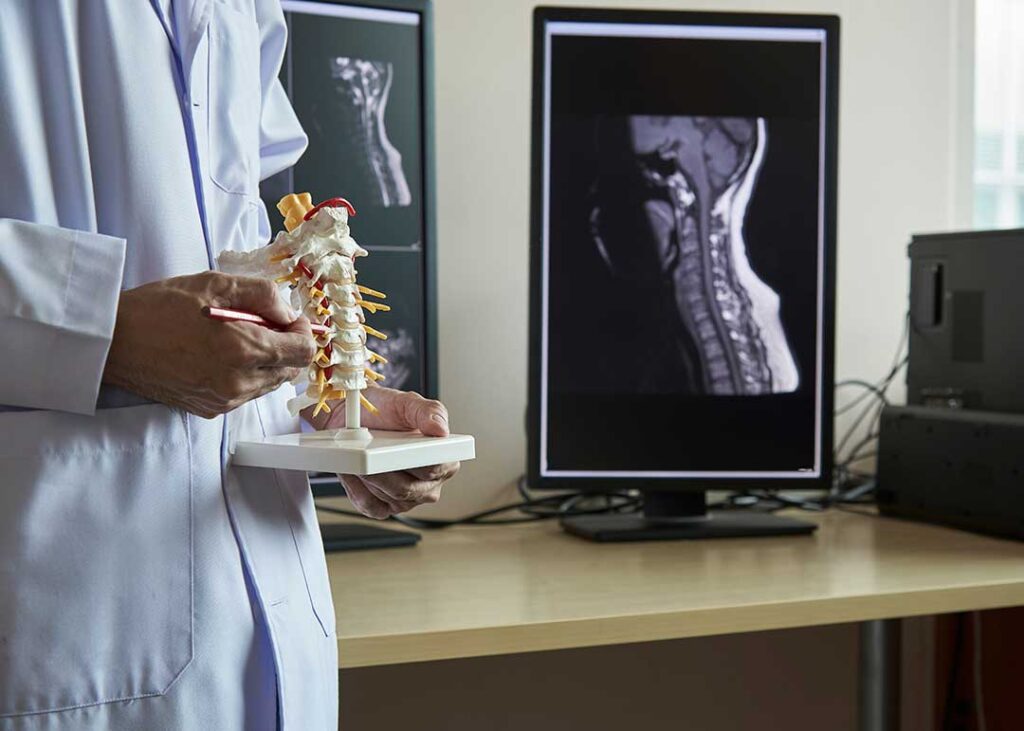
A chiropractor, physical therapist, or other qualified clinician may help identify whether limited ankle, hip, or spinal movement is changing the way the knee carries force. That type of assessment is different from assuming every knee problem originates in the knee itself.
What low-impact activities are easier on the knees?
Walking, cycling with light resistance, water exercise, and swimming are often more tolerable than running or repeated jumping. The best option is the activity that allows steady movement without causing significant pain during or after exercise.
Residents may find it easier to divide activity into shorter sessions during colder months. For example, several 5- or 10-minute walks indoors or on clear, even surfaces can be more manageable than a single prolonged outing.
The general adult activity target is at least 150 minutes of moderate-intensity activity per week, plus muscle-strengthening activity on two days. That is a long-term health guideline, not a requirement to follow while an acute knee problem is flaring. Starting below that amount and building slowly is reasonable. ([cdc.gov](https://www.cdc.gov/physical-activity-basics/guidelines/adults.html?CDC_AAref_Val=https%3A%2F%2Fwww.cdc.gov%2Fphysicalactivity%2Fbasics%2Fadults%2F&utm_source=openai))
Can weight, footwear, and daily habits affect knee pain?
Yes. Body weight is only one factor, and knee pain can occur in people of every size. If weight loss is appropriate for an individual, gradual changes may reduce mechanical demand on the knee and improve activity tolerance. Physical activity has health benefits regardless of whether body weight changes. ([cdc.gov](https://www.cdc.gov/physical-activity/media/pdfs/Physical_Activity_Guidelines_2nd_edition.pdf?utm_source=openai))
Footwear may also matter. Shoes should feel stable, fit comfortably, and be appropriate for the activity. Worn-out soles, unstable footwear, and sudden changes in exercise volume can contribute to altered walking mechanics.
At home or work, consider:
- Sitting on a small stool rather than kneeling for prolonged household tasks
- Using padding when kneeling cannot be avoided
- Turning the entire body instead of twisting over a planted foot
- Carrying smaller loads when possible
- Taking brief movement breaks during desk work or long drives
- Avoiding a rapid jump from winter inactivity to strenuous spring yardwork
Is a brace, cane, or knee support helpful?
A brace or walking aid may help some people temporarily, but the choice depends on the cause of pain and how the device is used. An ill-fitting brace can restrict movement or create pressure in the wrong area. A cane is generally held on the side opposite the painful knee, but balance, strength, and the specific condition should guide its use.
Supports should not be used to ignore severe pain or continue an activity that is causing injury. They are aids, not substitutes for diagnosis, gradual strengthening, and appropriate recovery.
When should knee pain be evaluated?
Seek urgent medical care for a knee that is visibly deformed, suddenly and severely swollen, unable to bear weight, locked in place, or associated with an obvious injury or popping sound. Fever combined with redness, warmth, swelling, and significant pain can indicate infection and requires prompt attention. ([mayoclinic.org](https://www.mayoclinic.org/diseases-conditions/knee-pain/symptoms-causes/syc-20350849?utm_source=openai))
Arrange a medical evaluation when pain persists for several weeks, repeatedly returns, interferes with sleep or normal tasks, or is accompanied by instability, catching, or progressive loss of motion. Knee pain may come from arthritis, tendon irritation, bursitis, a ligament or meniscus injury, gout, infection, or referred pain from another area. The cause determines which non-medication strategies are appropriate.
Until the cause is clearer, the safest plan is usually gentle motion, gradual strengthening, temporary reduction of aggravating activities, and careful monitoring for swelling or worsening function.
