
 See Our Latest Article on HelloNation

Golf depends on coordinated movement through the hips, spine, shoulders, and wrists. Chiropractic care may support that movement by addressing pain, joint stiffness, and movement limitations, but it is not a substitute for golf instruction, strength training, or medical evaluation when symptoms are serious.
For local golfers, the transition from winter inactivity to spring rounds can be especially demanding. A body that has spent months doing less rotation may struggle with the repeated twisting, bending, and weight shifting required during a full round.
Can chiropractic care improve a golf swing?
Chiropractic care may help some golfers move more comfortably and consistently, particularly when back, hip, or neck stiffness interferes with the swing. The potential benefit usually comes from improving function and reducing movement-related discomfort—not from changing swing mechanics directly.
A golf swing requires:
- Rotation through the upper and middle back
- Stable movement through the lower back and pelvis
- Hip mobility during the backswing and follow-through
- Shoulder and neck control
- Balance and coordination between both sides of the body
If one area is restricted, another area may compensate. For example, limited hip rotation can place additional stress on the lower back. Restricted upper-back motion may cause a golfer to over-rotate the lumbar spine or lift the shoulders during the swing.
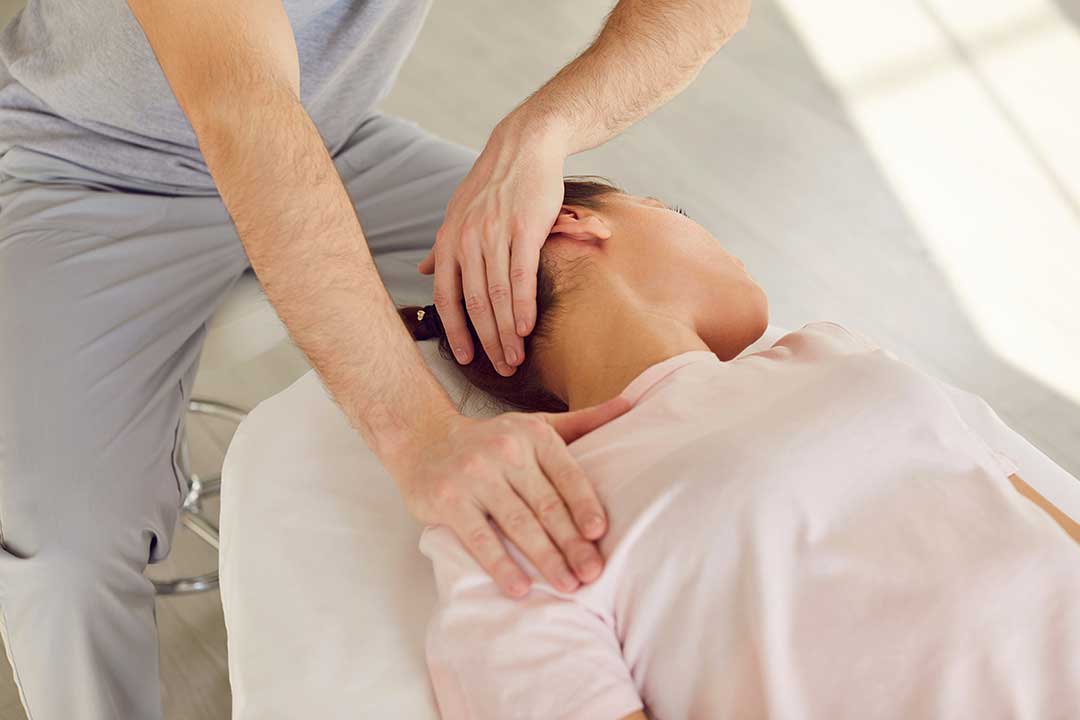
A chiropractor may assess posture, joint movement, muscle balance, and the way symptoms change during golf-related motions. Treatment can include manual techniques, mobility exercises, strengthening recommendations, and advice about gradually returning to play.
What does the evidence say about chiropractic treatment for golfers?
Research supports spinal manipulation as one possible option for some types of low-back pain, although the expected improvement is generally modest and evidence quality varies. The National Center for Complementary and Integrative Health describes spinal manipulation as one of several nondrug approaches that may help acute or chronic low-back pain. ([nccih.nih.gov](https://www.nccih.nih.gov/health/spinal-manipulation-what-you-need-to-know?utm_source=openai))
That evidence does not prove that chiropractic care will increase driving distance, correct a slice, or improve putting accuracy. Golf performance depends on many factors, including technique, club selection, practice, sleep, strength, balance, and course conditions.
The more realistic goal is improved comfort and movement capacity. A golfer who can rotate without guarding or pain may be better able to repeat a familiar swing. That is different from claiming that an adjustment alone improves athletic performance.
Which golf-related problems may respond to care?
Chiropractic care may be considered for uncomplicated musculoskeletal complaints such as:
- Mild lower-back stiffness after practice
- Limited rotation in the upper or middle back
- Hip tightness that affects stance or follow-through
- Neck or shoulder discomfort related to posture
- Muscle or joint soreness after returning to golf
- Movement restrictions that make warm-up or walking uncomfortable
The cause of pain matters. Soreness after an unusually long round is different from pain that radiates down the leg, follows a fall, or continues to worsen despite rest.
A careful evaluation should distinguish a movement problem from conditions that require medical testing or a different form of treatment. Persistent or severe symptoms should not be attributed automatically to a “misalignment.”
Can chiropractic care prevent golf injuries?
It may contribute to injury prevention when it is part of a broader plan, but no single treatment guarantees that a golfer will avoid injury. Injury risk is influenced by workload, swing mechanics, conditioning, recovery, age, previous injuries, and how quickly activity increases.
The American College of Sports Medicine emphasizes dynamic warm-ups and golf-specific assessment because mobility or stability limitations can affect swing mechanics and injury patterns. ([acsm.org](https://acsm.org/golf-health-tips/?utm_source=openai))
A practical prevention plan may include:
- Five to 10 minutes of walking or other light activity before stretching
- Gentle trunk rotations and hip-mobility movements
- Practice swings that gradually increase in speed
- Strength work for the hips, legs, trunk, and shoulders
- Rest between rounds when soreness is increasing
- Avoiding a sudden jump from occasional play to multiple long rounds
In Whitestown, this gradual approach can be useful after the colder months, when outdoor activity and golf practice may have been limited. Early-season enthusiasm can lead to overuse symptoms if a player immediately attempts the same number of swings, holes, or walking distance as during peak summer activity.
What exercises can support a healthier golf game?
Exercises should be adjusted to a person’s age, current fitness, injury history, and symptoms. General examples include:
Hip mobility: A controlled half-kneeling hip-flexor stretch may help address stiffness from prolonged sitting or driving.
Thoracic rotation: A side-lying “open book” movement can encourage rotation through the upper back while limiting forceful twisting through the lower back.
Core stability: Bridges, bird-dog exercises, and controlled side planks can train the trunk to resist unwanted movement while the hips and shoulders move.
Leg strength and balance: Sit-to-stand movements, step-ups, and single-leg balance drills can support weight transfer and stability during the swing.
Exercises should feel controlled rather than forced. Sharp pain, numbness, weakness, or symptoms that travel into an arm or leg are reasons to stop and seek appropriate medical guidance.
Does an adjustment replace golf instruction or physical therapy?
No. Chiropractic care, golf instruction, and physical therapy address different needs.
A golf instructor focuses on swing technique, club path, grip, posture, and ball flight. A physical therapist may provide detailed rehabilitation for strength, balance, post-surgical recovery, or a diagnosed injury. Chiropractic care may focus on musculoskeletal assessment, joint mobility, manual treatment, and movement-related pain.
These approaches can sometimes complement one another, but treatment should be based on the actual problem. A swing fault cannot be corrected reliably through spinal manipulation alone, and a painful joint should not be repeatedly trained simply to preserve a technical change.
When should a golfer seek medical evaluation?
Golf-related pain deserves prompt medical attention when it is severe, sudden, or associated with warning signs. Examples include:
- Numbness, tingling, or weakness
- Loss of coordination or balance
- Pain traveling down an arm or leg
- Fever, unexplained weight loss, or unusual fatigue
- Pain after a significant fall or collision
- Loss of bowel or bladder control
- Chest pain, shortness of breath, or pain that does not behave like a muscle problem
- Symptoms that continue to worsen or do not improve with reasonable rest
Spinal manipulation is generally considered safe for many people when performed appropriately, but it is not suitable for every condition. The NCCIH notes that adverse effects and rare serious complications have been reported, and treatment decisions should account for a person’s health history and symptoms. ([nccih.nih.gov](https://www.nccih.nih.gov/health/low-back-pain-and-complementary-health-approaches-what-you-need-to-know?utm_source=openai))
A sensible golf plan combines gradual conditioning, a dynamic warm-up, sound swing mechanics, recovery, and treatment that matches the source of discomfort. Chiropractic care may be useful for some golfers as one part of that larger approach, especially when stiffness or uncomplicated back pain is limiting normal movement.
